Women in Engineering Spotlight: How Pranata Kalkura is Driving Impact Through Engineering Intelligence
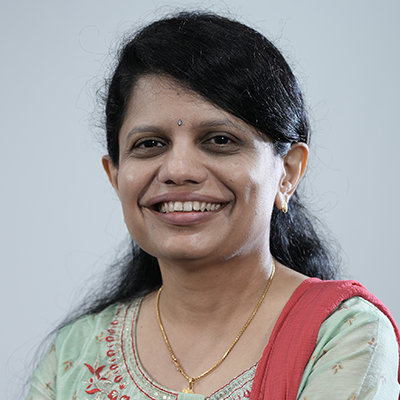
As we recognize International Women in Engineering Day (INWED) and this year’s theme of “Engineering Intelligence,” we are proud to spotlight Pranata Kalkura, director of our Systems and Software Engineering (SAS) India operations and the first woman to lead this function in India.
With nearly a decade at Actalent, Pranata’s journey from a technical architect to business leader reflects the essence of engineering intelligence: combining technical expertise with strategic thinking, collaboration and human insight to drive meaningful impact.
Her story is one of resilience, continuous growth and purposeful leadership. In this Q&A, she shares her perspectives on evolving as a leader, building high-performing teams and inspiring the next generation of engineers.
Q: As Actalent’s first woman director for SAS India operations, what has your leadership journey taught you about resilience, growth and impact?
A: My journey taught me that resilience is built by saying yes before you feel fully ready and finding clarity in ambiguity. Growth came from stepping beyond technical comfort zones into business, people and strategy. And impact goes beyond just delivering results—it’s about building teams, enabling others to grow and creating opportunities that scale.
Q: From technical architect to director of SAS India operations, how have the different phases of your career shaped the leader you are today, and how has Actalent influenced your growth?
A: Each phase of my career rewired how I think. Starting as a technical architect gave me strong depth, credibility and problem-solving discipline. As I moved into delivery and leadership roles, I developed breadth—learning to connect across domains, understand customer context and own outcomes beyond just technical delivery.
Actalent has been central to this growth. The culture of trust, openness and mentorship created space for me to step beyond defined roles, build new capabilities and collaborate closely with global partners to drive meaningful outcomes. This journey enabled me to evolve from focusing on technical delivery to ownership of broader business impact, shaping the leader I am today.
Q: In the context of this year’s International Women in Engineering Day theme, “Engineering Intelligence,” how do you define intelligence in engineering beyond just technology or AI?
A: Technology and AI are tools — intelligence is knowing which tool to use and when. Every engineer approaches a problem differently, and that diversity of thinking is itself a form of intelligence. Simple problems can be solved without much deliberation, but complex ones demand more. That's where engineering intelligence truly shows up — in the ability to bring together business context, customer needs, technical depth and human judgment to deliver the right solution.
Q: What steps can help engineers move from being contributors to becoming decision-makers?
A: Moving from contributor to decision-maker starts with asking "why,” not just "what." It’s important to understand how your technical choices affect the customer's business, not just the system.
Next, broaden your exposure deliberately: join proposal discussions, attend client calls and engage with strategy even when it isn't part of your role. Overtime, that experience adds up.
Most importantly, get comfortable with ambiguity and learn to act without having all the answers.
Q: How important have collaboration and mentorship been in building high-performing engineering teams at Actalent?
A: Collaboration and mentorship haven't just supported our high-performing teams, they have been the foundation. Mentors have helped me navigate difficult transitions and provided encouragement during moments of doubt, and that kind of support is truly irreplaceable.
Some of my biggest wins have come through collaboration. For example, regular engagement with a U.S.-based counterparts helped grow one of SAS India's largest accounts. None of this happened by accident. Actalent's culture — the openness, the support from leadership and the real investment in people made it possible. When collaboration and mentorship are intentional, teams don't just perform better, they grow stronger, learn faster and create lasting impact.
Q: What advice would you offer aspiring engineers who want to grow not only as technical experts but also as future leaders?
A:
- Never stop learning — set aside time each week to stay current, and that habit will pay off more than you expect over time.
- Bring the same curiosity that makes you a strong engineer to people, strategy and business — ask why, not just how.
- Don’t wait until you feel fully ready before saying yes to an opportunity; confidence doesn't come before action, it comes through it.
- Build your support network with intention — find mentors who challenge you, sponsors who back you, and peers who open doors.
- Don't just aim to be technically strong — aim to make a difference. That's what takes you from engineer to leader.